Computers can shape attitudes and behaviours providing computer simulated experiences. (Fogg, B.J., 2003) Simulation, or the representation of a real life situation in a computer program, has multiple applications and forms. From the persuasive point of view, technological elements are less important than what the user actually experiences, but is important to highlight that often people are influenced not by information itself, but by how it is presented (Fogg, B.J., 2003) and there are evidences that multimedia technology with its use of video, audio and graphics is more engaging than other conventional media and facilitates cognitive focus (Din, F.S and Calao, J., 2001).
All simulations have something in common: experience.
According to Fogg, “when it comes to persuasion, experience makes a difference” (Fogg, B.J., 2003, P82).
Other authors have also argued the importance of experience: According to Redd, in our culture second-hand experience in which information is selected, modified and packaged, has become so dominant that primary experience is endangered and he calls for a better balance between firsthand and second-hand experience, because primary experience is our most basic way of understanding reality and learning for ourselves (Redd, E.S, 1996).
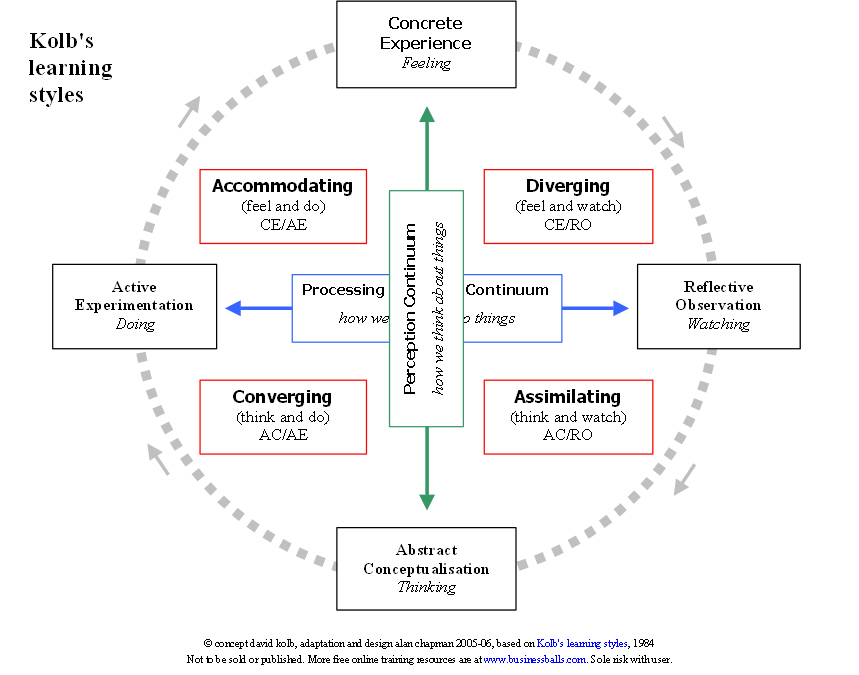
The experiential learning theory remarks the importance of experience in learning and means that understanding is not a matter of memorising concepts or second-hand experience as Reeds says. Rather, humans understand best when they can simulate an experience in a way that they can be prepared for accomplishing their goals. (Barsalou, 1999; Clark, 1997; Glenberg & Robertson,1999 in Gee, J.P, 2007). D.Kolb’s learning model reflects a spiral of learning that usually starts from a concrete experience: http://www.businessballs.com/images/kolb's_learning_styles_businessballs.jpg